Needle and Knots: How Acupuncture and Massage Reshaped My Body Care Routine
Ever felt your body carrying stress like a backpack you can’t take off? I’ve been there—chronic tension, stiff mornings, and that nagging ache between the shoulders. After years of quick fixes failing, I turned to acupuncture and massage, not as luxuries, but as core parts of real body care. What started as a last try became a game-changer. This is how science-backed therapy quietly transformed my daily life. No dramatic overhauls, no miracle cures—just consistent, thoughtful support that helped me reclaim comfort, mobility, and peace. For women in their 30s to 50s juggling family, work, and personal well-being, this journey offers a realistic path to feeling better from the inside out.
The Hidden Cost of Ignoring Body Signals
Most of us have grown accustomed to dismissing physical discomfort as an unavoidable part of adult life. A stiff neck after a long day, lower back pain after gardening, or persistent shoulder tightness—these are often brushed off as 'just aging' or 'part of being busy.' But these signals are not random inconveniences; they are early warnings from the body that something is out of balance. Ignoring them can lead to more serious issues over time, including chronic pain, reduced range of motion, disrupted sleep, and even changes in mood and energy levels. The body communicates through sensation, and when we fail to listen, we risk turning temporary strain into long-term dysfunction.
For years, I treated my body like a machine that could run indefinitely without maintenance. I managed household responsibilities, supported my children’s activities, and kept up with professional obligations—all while pushing through fatigue and discomfort. My mornings often began with a stiff back and sore shoulders, which I assumed were normal consequences of a full life. It wasn’t until simple movements—like reaching for a high shelf or turning to check a blind spot while driving—became painful that I realized something had to change. The truth is, pain is not a sign of strength; it’s a signal that the body needs attention.
What many don’t realize is that untreated muscular tension can alter posture, affect breathing patterns, and contribute to joint wear. When muscles remain in a state of constant contraction, they restrict blood flow, limit oxygen delivery, and accumulate metabolic waste, leading to further irritation. Over time, this creates a cycle of discomfort that becomes harder to break. Recognizing these patterns was my first step toward proactive care. Instead of waiting for a crisis, I began to see body awareness as an essential skill—one that allows us to respond early, prevent escalation, and maintain long-term well-being.
Why I Gave Acupuncture a Real Shot (Spoiler: It Wasn’t Magic)
My introduction to acupuncture came not from curiosity, but from necessity. After months of recurring neck stiffness and headaches that didn’t improve with stretching or over-the-counter remedies, my physiotherapist suggested I consider acupuncture as part of a broader treatment plan. I was skeptical. The idea of inserting fine needles into specific points on the body sounded more like ritual than medicine. I associated it with alternative practices that lacked scientific backing. But my therapist explained that acupuncture is recognized by major health organizations, including the National Institutes of Health (NIH), as a complementary therapy for certain types of pain, particularly musculoskeletal and tension-related conditions.
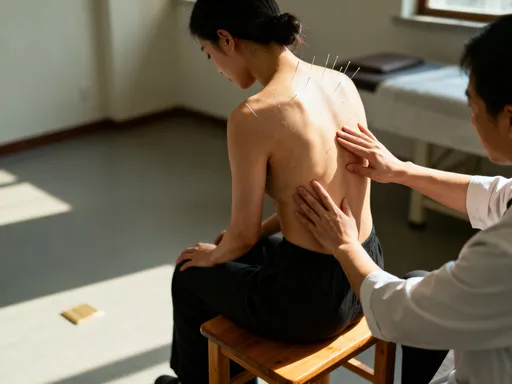
What changed my mind was understanding how it works—not through mysticism, but through measurable physiological responses. Acupuncture involves the insertion of sterile, hair-thin needles into precise locations known as acupoints. These points are often found along pathways called meridians, but modern research focuses less on ancient energy concepts and more on how stimulation affects the nervous system. Studies suggest that acupuncture can trigger the release of endorphins, the body’s natural painkillers, and influence nerve signaling to reduce muscle tension and inflammation. It may also promote relaxation by activating the parasympathetic nervous system, which helps the body shift from 'fight or flight' to 'rest and digest' mode.
My first session was nothing like I expected. The practitioner, a licensed acupuncturist with years of clinical training, began with a detailed consultation about my symptoms, lifestyle, and medical history. The needles were so fine that I barely felt them entering the skin—just a slight pinch or pressure in some areas. Once in place, I was asked to lie quietly for 20 to 30 minutes. To my surprise, I didn’t fall asleep, but I did feel a deep sense of calm, as if my body had finally been given permission to let go. The relief wasn’t immediate or dramatic, but over the next few days, I noticed reduced tightness in my neck and fewer tension headaches. It wasn’t magic—it was medicine grounded in science, and that made all the difference.
Massage Therapy: More Than Just a Relaxing Rubdown
Like many, I once thought of massage therapy as a luxury—something reserved for spa days or special occasions. I associated it with relaxation, yes, but not with healing. That changed when I experienced therapeutic deep tissue massage for the first time. Unlike the gentle strokes of a Swedish massage, this approach was focused, intentional, and targeted specific areas of chronic tension. The therapist used firm pressure and slow strokes to reach deeper layers of muscle and connective tissue, where knots—also known as trigger points—had formed over years of repetitive strain and poor posture.
What I learned is that clinical massage is a form of physical rehabilitation. It’s not just about feeling good in the moment; it’s about creating lasting changes in muscle function and tissue health. One of the most effective techniques I encountered was myofascial release. Fascia is the web-like connective tissue that surrounds and supports muscles, organs, and bones. When fascia becomes tight or restricted—often due to injury, inactivity, or stress—it can pull on muscles and joints, leading to pain and limited movement. Myofascial release involves sustained pressure and stretching to loosen these restrictions, restoring flexibility and reducing discomfort.
Another key method was trigger point therapy, which targets hyperirritable spots in skeletal muscle. These knots can refer pain to other areas—for example, a trigger point in the shoulder might cause a headache or arm pain. By applying focused pressure, the therapist helps deactivate these points, improving circulation and allowing the muscle to return to its natural length. Over time, regular sessions helped reset my muscle memory, meaning my body began to hold itself in better alignment even without conscious effort. This wasn’t pampering—it was precision care, and it played a crucial role in breaking the cycle of chronic tension.
When Needles Meet Muscles: The Synergy That Made a Difference
While both acupuncture and massage offered benefits on their own, the real transformation came when I used them together. They operate on different but complementary levels—acupuncture works primarily through the nervous system, while massage targets the physical structure of muscles and connective tissue. This dual approach addressed both the 'why' and the 'where' of my pain. Acupuncture helped calm the overactive nerve signals that were keeping my muscles in a state of constant readiness, while massage released the physical knots that had formed as a result.
The synergy between the two became especially clear over several weeks of consistent care. I began with weekly massage sessions and monthly acupuncture treatments, then adjusted based on how my body responded. After about six weeks, I noticed cumulative improvements: I slept more deeply, woke with less stiffness, and experienced fewer flare-ups of neck and shoulder pain. Even my breathing felt easier, likely because relaxed muscles allowed my ribcage and diaphragm to move more freely. These changes weren’t just physical—they had a ripple effect on my mood and energy levels, making daily tasks feel more manageable.
Emerging research supports this integrative approach. A growing body of evidence suggests that combining manual therapies with neuromodulatory techniques like acupuncture can enhance outcomes for people with chronic musculoskeletal pain. For instance, a review published in the Journal of Pain Research found that patients who received both massage and acupuncture reported greater pain reduction and improved function compared to those who used either therapy alone. While more large-scale studies are needed, the existing data points to a powerful truth: the body responds best when multiple systems are supported simultaneously. By addressing both neurological and structural components, I was able to achieve a level of relief that neither therapy could provide in isolation.
Building a Sustainable Body Care Practice (No Extremes Needed)
One of the biggest lessons I learned was that consistency matters more than intensity. There was a period when I scheduled weekly acupuncture and twice-weekly massage sessions, hoping for faster results. While I did feel better initially, the pace was unsustainable—both financially and logistically. When I stopped, the benefits faded. That’s when I realized that long-term wellness isn’t about short bursts of effort, but about creating a routine that fits into real life. The goal shifted from 'fixing' my body to maintaining it, like regular oil changes for a car rather than waiting for the engine to fail.
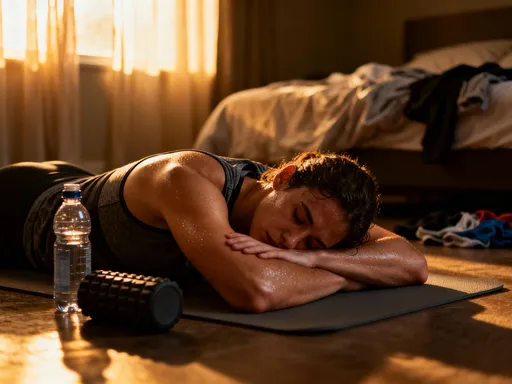
Today, my routine is balanced and realistic. I schedule acupuncture every four to six weeks, depending on how I’m feeling, and see a massage therapist every two to three weeks. I also incorporate simple self-care practices at home—gentle stretching, mindful breathing, and using a foam roller for minor tension. What makes this sustainable is intentionality. I treat these appointments as non-negotiable parts of my health regimen, just like annual check-ups or dental cleanings. I track my progress in a journal, noting changes in pain levels, sleep quality, and mobility, which helps me stay motivated and make informed decisions.
For women managing households and careers, finding time for self-care can feel selfish or impossible. But I’ve come to see it differently. Taking care of my body isn’t a luxury—it’s a responsibility. When I feel better, I’m more present for my family, more focused at work, and more resilient in the face of stress. The key is not perfection, but persistence. Even small, regular investments in body care add up over time, preventing minor issues from becoming major problems. This shift in mindset—from crisis management to preventive maintenance—has been one of the most valuable outcomes of my journey.
Science, Not Superstition: What Research Actually Says
With so much misinformation circulating about alternative therapies, I made it a point to understand what science actually supports. I didn’t want to rely on anecdotes or marketing claims—I wanted evidence. What I found was both reassuring and motivating. The National Center for Complementary and Integrative Health (NCCIH), part of the NIH, recognizes acupuncture as an effective complementary treatment for chronic pain, including back pain, neck pain, and osteoarthritis. Multiple clinical trials have shown that acupuncture can provide meaningful pain relief, often with fewer side effects than medications.
Likewise, massage therapy has gained increasing recognition in mainstream medicine. A Cochrane review of studies on massage for non-specific low back pain concluded that it can provide short-term relief and improve function when used alongside other treatments. Research also shows that massage can reduce levels of cortisol, the stress hormone, while increasing serotonin and dopamine, neurotransmitters associated with well-being. These findings are not fringe science—they come from rigorous, peer-reviewed studies conducted at reputable institutions.
That said, it’s important to be clear about what these therapies can and cannot do. Acupuncture and massage are not cures for serious medical conditions, nor should they replace diagnosis or treatment from a licensed healthcare provider. They are best understood as supportive tools within a broader health strategy. They work well for managing tension, improving circulation, and enhancing relaxation, but they are not substitutes for surgery, medication, or physical therapy when those are needed. The most responsible approach is to use them as part of an integrated plan, always in consultation with medical professionals.
A New Definition of Body Care: Respect Over Repair
This journey has fundamentally changed how I view my body. I no longer see it as a machine to be fixed only when broken, but as a living system that deserves ongoing respect and care. The combination of acupuncture and massage has given me more than physical relief—it has deepened my awareness of how my body responds to stress, movement, and rest. I’ve become more attuned to early signs of tension and better equipped to respond before discomfort escalates. This preventive mindset has reduced my reliance on painkillers and improved my overall quality of life.
Perhaps the most unexpected benefit has been the connection between physical and mental well-being. As my body relaxed, so did my mind. I sleep more soundly, feel less anxious, and approach daily challenges with greater calm. This isn’t just about feeling good—it’s about functioning well. For women in midlife, who often carry the weight of multiple roles, this kind of balance is invaluable. Body care is not selfish; it’s foundational. When we invest in our physical health, we create space for joy, presence, and resilience.
Professional therapies like acupuncture and massage are not indulgences. They are intelligent, science-supported strategies for maintaining vitality and preventing pain. They represent a shift from reacting to problems to proactively supporting the body’s natural ability to heal and regulate. My story is not unique—millions of people have found relief through these methods. But it is personal. It’s about learning to listen, to act with intention, and to honor the body that carries us through life. If you’ve been dismissing your aches and fatigue as normal, I encourage you to reconsider. Talk to a licensed practitioner. Explore what might help. Because true well-being begins not with fixing, but with respect.