What I Learned About Food When Medication Became My Daily Routine
Living with long-term medication changed more than just my health—it reshaped how I eat, think, and live. Suddenly, certain foods clashed with pills, energy dipped at odd times, and simple meals required careful thought. I didn’t realize how much diet affects treatment until I experienced it firsthand. This journey taught me that healing isn’t just about what we swallow—it’s also about what we choose to eat. What began as confusion slowly turned into clarity, then confidence. Over time, small adjustments in my kitchen became powerful tools in managing my well-being. This is not a story of perfection, but of awareness, adaptation, and resilience.
The Moment Everything Shifted
The diagnosis came on an ordinary Tuesday morning. No warning signs, no dramatic symptoms—just a routine blood test and a doctor’s calm but firm voice explaining that a chronic condition now required daily medication. At first, the news settled like a quiet weight. I nodded, took the prescription, and left with a pamphlet full of medical terms I barely understood. What I didn’t expect was how deeply this new reality would reshape my relationship with food.
In the days that followed, I noticed subtle shifts. A glass of orange juice in the morning left me feeling oddly fatigued. A favorite sandwich with processed turkey triggered heartburn that lingered for hours. My energy dipped unpredictably, sometimes right after meals. I began to suspect that something in my diet was interfering with the medication, but no one had told me what to avoid or when to eat. The gap between medical advice and daily life felt wide and confusing.
Like many patients, I received minimal guidance on how food interacts with treatment. The pharmacist handed me a small slip listing “possible interactions,” but it read like a foreign language. No one explained why grapefruit was off-limits or how timing meals could alter how my body absorbed the pills. I felt isolated, as if I were expected to figure it out on my own. It wasn’t until a routine follow-up that my doctor mentioned diet could influence treatment success. That moment sparked a determination to learn—not just to survive, but to thrive within this new normal.
Why Food and Medication Don’t Always Mix
At the core of this confusion lies a simple truth: food and medication share the same pathways in the body. What we eat can speed up, slow down, or even block how drugs work. This isn’t speculation—it’s biochemistry. When a medication enters the digestive system, it must be absorbed, processed by the liver, and distributed to where it’s needed. Food can interfere at any of these stages, sometimes with serious consequences.
One of the most common issues is reduced absorption. For example, calcium-rich foods like dairy products can bind to certain antibiotics, forming compounds that the body cannot absorb. This means the medication passes through the system without doing its job. Patients may believe they’re following instructions, only to find their symptoms persist because the drug never reached effective levels. The same principle applies to iron supplements and thyroid medications—taking them with milk or high-fiber cereals can significantly reduce their effectiveness.
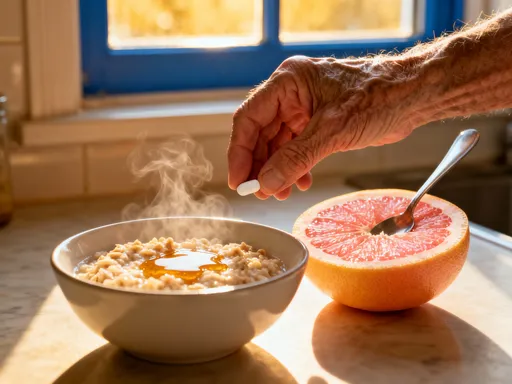
Another concern is increased side effects. Some foods amplify a drug’s impact, raising the risk of adverse reactions. A well-known example is the interaction between grapefruit and a range of medications, including some for blood pressure, cholesterol, and anxiety. Grapefruit contains compounds that inhibit an enzyme in the liver called CYP3A4, which is responsible for breaking down many drugs. When this enzyme is blocked, medication levels in the blood can rise to dangerous levels, increasing the risk of dizziness, liver damage, or irregular heart rhythms.
Then there are cases where food delays the action of a medication. High-fat meals, for instance, can slow stomach emptying, which in turn delays how quickly a drug enters the bloodstream. For medications that need to act quickly—such as those for migraines or acute pain—this delay can mean the difference between relief and suffering. Understanding these mechanisms isn’t about fear; it’s about empowerment. Each interaction is a clue, helping patients make informed choices that protect their health.
Hidden Triggers in Everyday Meals
One of the most surprising lessons was discovering how common, seemingly harmless foods could interfere with treatment. These aren’t exotic ingredients or rare delicacies—they’re staples found in most kitchens. A breakfast cereal, a bottled iced tea, or a salt substitute could quietly undermine a carefully managed regimen. The challenge isn’t just knowing what to avoid, but recognizing where these triggers hide.
Sodium is a prime example. Many processed foods—canned soups, frozen dinners, snack chips—contain high levels of salt, often well beyond daily recommendations. For patients on blood pressure medications, excess sodium can counteract the drug’s benefits, forcing the heart to work harder and increasing the risk of complications. What makes this especially tricky is that salt isn’t always obvious. Some breads, for instance, contain more sodium per slice than a serving of potato chips. Reading labels becomes essential, not optional.
Equally important is potassium, particularly for those taking diuretics or heart medications. While potassium is vital for muscle and nerve function, too much can be dangerous when certain drugs are in the system. Some salt substitutes use potassium chloride instead of sodium chloride, making them risky for patients on specific medications. A well-meaning switch to a “healthier” seasoning could lead to imbalanced electrolytes, affecting heart rhythm. Even natural foods like bananas, oranges, and spinach—often praised for their nutrition—can contribute to excess intake if consumed in large amounts without medical guidance.
Herbal teas and supplements also pose hidden risks. Unlike prescription drugs, these products are not always rigorously tested for interactions. St. John’s wort, often used for mood support, can reduce the effectiveness of many medications, including birth control and antidepressants. Chamomile and valerian may increase drowsiness when combined with sedatives. The assumption that “natural means safe” can be misleading. Patients need to treat supplements with the same caution as medications, discussing them openly with their healthcare providers.
Timing Matters More Than You Think
One of the most overlooked aspects of medication management is timing. Instructions like “take with food” or “on an empty stomach” are not suggestions—they’re science-based guidelines. Yet, without understanding what they mean, patients may follow them incorrectly. An empty stomach, for example, typically means one hour before or two hours after eating. Taking a medication labeled “on an empty stomach” right after a light snack could still interfere with absorption.
Some medications require food to reduce irritation to the stomach lining. Nonsteroidal anti-inflammatory drugs (NSAIDs), for instance, are often recommended with meals to prevent gastrointestinal discomfort or ulcers. In these cases, skipping food increases the risk of side effects. Conversely, other drugs must be taken without food to ensure rapid and complete absorption. Certain antifungal and antibiotic medications fall into this category, and even a small amount of food can delay or reduce their effectiveness.
For medications that require consistency, timing meals and doses together creates stability. Blood pressure and diabetes drugs often work best when taken at the same time every day, aligned with regular eating patterns. Irregular schedules can lead to fluctuations in blood levels, reducing control over symptoms. This is where simple tools make a big difference. Setting phone reminders, using a pill organizer with labeled compartments, or pairing medication with a daily habit—like brushing teeth—can improve adherence.
Meal planning also plays a role. Preparing balanced meals in advance ensures that the right foods are available when needed. For someone taking medication that requires a small snack, having a portioned yogurt or a handful of nuts ready prevents last-minute choices that could interfere. Over time, these practices become routine, reducing stress and increasing confidence in managing treatment.
Balancing Restrictions Without Feeling Deprived
Dietary changes can feel like a series of losses—favorite dishes off-limits, social meals filled with anxiety, holidays marked by careful portioning. The emotional toll is real. Many patients report feeling isolated, as if they’re no longer able to participate fully in shared food experiences. The key to long-term success isn’t rigid avoidance, but thoughtful substitution.
Instead of focusing on what’s missing, shifting attention to what can be enjoyed creates a more positive mindset. For example, if dairy interferes with a medication, fortified almond or oat milk can provide a creamy alternative in coffee or cereal. If sodium must be limited, herbs and spices—like garlic, cumin, or lemon zest—add flavor without compromising health. These small swaps preserve the pleasure of eating while staying within medical boundaries.
Meal prep becomes a form of self-care. Spending a few hours on the weekend to prepare soups, roasted vegetables, or grain bowls ensures that healthy, safe options are always within reach. Recipes can be adapted—using low-sodium broth, fresh instead of canned ingredients, or natural sweeteners in moderation. The goal isn’t perfection, but consistency. Even one well-planned meal a day supports better outcomes.
Social situations require flexibility and communication. Attending a family dinner doesn’t have to mean breaking rules. Offering to bring a dish ensures there’s at least one safe option. A flavorful quinoa salad, a roasted vegetable tray, or a fruit-based dessert can be both delicious and compliant. Most hosts appreciate the contribution, and it opens the door to gentle education about dietary needs. Over time, these moments build confidence, not shame.
Working With, Not Against, Your Body
No two bodies respond to medication and food in exactly the same way. This is why personalized care is essential. A diet that supports one person’s treatment may not work for another, even if they have the same diagnosis. Regular communication with healthcare providers—doctors, pharmacists, and registered dietitians—creates a support system grounded in expertise and empathy.
Blood tests are a valuable tool in this process. They reveal how well a medication is working and whether nutrient levels are balanced. For example, certain drugs can deplete vitamin D or magnesium over time, leading to fatigue or muscle cramps. Detecting these changes early allows for timely adjustments—through diet or supplements—before symptoms worsen. These check-ins are not a sign of failure, but of proactive care.
Patients are encouraged to ask questions. What foods should I avoid? Could my fatigue be related to my diet? Is there a better time of day to take my medication? These are valid concerns, and healthcare providers expect them. Keeping a daily log of meals, symptoms, and medication times can provide useful insights during appointments. It transforms vague discomfort into concrete data, making discussions more productive.
Collaboration doesn’t mean second-guessing medical advice. It means engaging with it thoughtfully. Trust in professionals is important, but so is self-advocacy. When patients feel informed and heard, they’re more likely to stick with their treatment plan. This partnership—between science and personal experience—is where true healing begins.
Building a Sustainable Health Mindset
The most profound shift in this journey has been internal. What once felt like a list of restrictions now feels like a series of choices rooted in care. Every meal is an opportunity to support the body’s healing process. This isn’t about rigid rules or fear of making mistakes. It’s about cultivating awareness, kindness, and consistency.
Small choices add up. Choosing water over a sugary drink. Eating a piece of fruit instead of a processed snack. Taking medication at the same time each day. These actions may seem minor, but over weeks and months, they create a foundation of stability. Progress isn’t measured in perfection, but in patterns. The goal isn’t to eliminate all risk, but to reduce it meaningfully.
Food, in this new light, becomes more than fuel. It becomes a form of daily self-respect. It’s a way of saying, “I matter.” For many, especially women who often prioritize others’ needs, this mindset shift is powerful. Caring for oneself isn’t selfish—it’s necessary. It allows for greater energy, clarity, and presence in all areas of life.
Medication may be a permanent part of life, but it doesn’t define it. With knowledge, support, and intentional choices, it’s possible to live fully, joyfully, and healthily. The journey isn’t about returning to who you were before the diagnosis, but becoming someone stronger—someone who understands the quiet power of a well-chosen meal, a timely dose, and the courage to ask for help. Healing is not a single event. It’s a daily practice, built one mindful choice at a time.