Why I Finally Made Bone Health a Daily Priority — And Why You Should Too
We often take our bones for granted—until something goes wrong. I used to think bone health was just for older people, until a minor fall left me sidelined. That wake-up call made me rethink everything. Turns out, strong bones aren’t built overnight. They’re shaped by daily choices: what we eat, how we move, and how we care for our bodies. This isn’t about fear—it’s about awareness. Let’s explore how small, science-backed changes can support lifelong strength from the inside out.
The Silent Crisis: Why Bone Health Matters More Than You Think
Bone health is one of the most overlooked aspects of long-term wellness, yet it plays a foundational role in how we live, move, and age. Unlike a sore muscle or a visible injury, bone loss happens silently, without pain or obvious signs, often going unnoticed until a fracture occurs. This stealthy decline is sometimes called a “silent epidemic” because it progresses gradually over years, weakening the internal framework that supports every step, lift, and movement. By the time many women realize their bones are vulnerable, significant mineral loss may have already occurred.
One of the most important scientific insights about bone health is that peak bone mass—the maximum strength and density our bones reach—is typically achieved by age 30. After that, the body begins to break down bone tissue slightly faster than it can rebuild it. For women, this process accelerates after menopause due to declining estrogen levels, which play a protective role in maintaining bone density. According to the National Osteoporosis Foundation, about one in two women over age 50 will break a bone due to osteoporosis, a condition characterized by porous, fragile bones. These fractures—most commonly in the hip, spine, or wrist—can lead to long-term disability, loss of independence, and a significant drop in quality of life.
Consider the story of Maria, a 58-year-old teacher who tripped on a sidewalk curb and fractured her wrist. She hadn’t fallen from any height, nor had she been involved in an accident. Yet the impact was enough to cause a break—her doctor later confirmed she had low bone density. Maria had never considered herself at risk. She wasn’t frail, she stayed active, and she drank milk regularly. But her diet lacked variety, her walks were brief, and she spent long hours at a desk. Her experience is not unique. Millions of women underestimate their bone health until a minor incident reveals a major vulnerability. The good news? Bone loss is not inevitable. While some risk factors like age and genetics can’t be changed, the majority of bone strength is influenced by lifestyle—choices that can be improved at any stage of life.
What Your Bones Really Need: Breaking Down the Basics
At its core, bone is living tissue—dynamic, responsive, and constantly remodeling. To stay strong, it relies on a steady supply of key nutrients. Calcium is the most well-known, serving as the primary mineral that gives bones their hardness and structure. Think of calcium as the bricks in a sturdy wall. But like any building, a wall needs more than bricks—it needs mortar to hold them together. That role belongs to other essential nutrients, particularly vitamin D, which enables the body to absorb calcium from food. Without enough vitamin D, even a calcium-rich diet may not deliver results.
Protein is another critical component, forming the collagen matrix that gives bones flexibility and resilience. Without adequate protein, bones can become brittle, increasing fracture risk. Magnesium, phosphorus, and potassium also contribute to bone integrity, helping regulate calcium balance and support cellular function. Together, these nutrients work in harmony, much like a well-coordinated team. No single nutrient can do the job alone—success comes from balance and consistency.
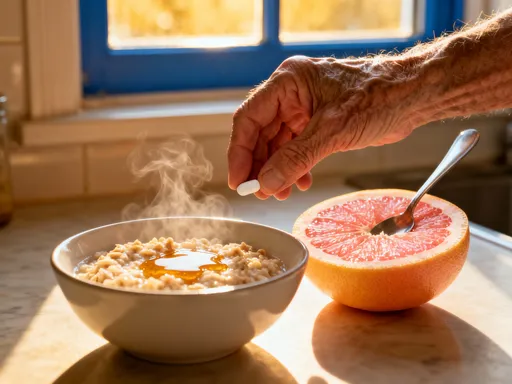
The best way to obtain these nutrients is through whole, minimally processed foods. Dairy products like milk, yogurt, and cheese are rich in calcium and often fortified with vitamin D. For those who avoid dairy, fortified plant-based milks, leafy green vegetables such as kale and bok choy, canned sardines and salmon with bones, almonds, and tofu offer excellent alternatives. Egg yolks, fatty fish, and sunlight exposure help maintain healthy vitamin D levels. The body can produce vitamin D when skin is exposed to sunlight, but many people, especially those living in northern latitudes or with limited sun exposure, may need dietary or supplemental support. A blood test can determine whether levels are adequate, and a healthcare provider can offer guidance on appropriate intake.
Move It or Lose It: How Exercise Shapes Stronger Bones
Just as muscles grow stronger with use, bones respond to physical stress by becoming denser and more resilient. This process, known as bone remodeling, involves the continuous breakdown and rebuilding of bone tissue. Mechanical loading—putting weight or resistance on bones—signals the body to reinforce them. Without this stimulus, bones lose density over time. This is why sedentary lifestyles pose a serious risk to skeletal health. The principle is simple: if you don’t use it, you lose it.
Weight-bearing exercises are particularly effective because they force bones to work against gravity. Activities like walking, jogging, dancing, climbing stairs, and hiking all qualify. Even everyday movements, such as standing while cooking or gardening, contribute to bone stimulation. Resistance training, including lifting weights, using resistance bands, or doing bodyweight exercises like squats and push-ups, adds another layer of benefit by targeting specific areas like the spine, hips, and wrists—sites most vulnerable to fractures. Studies have shown that regular strength training can increase bone density, especially in postmenopausal women.
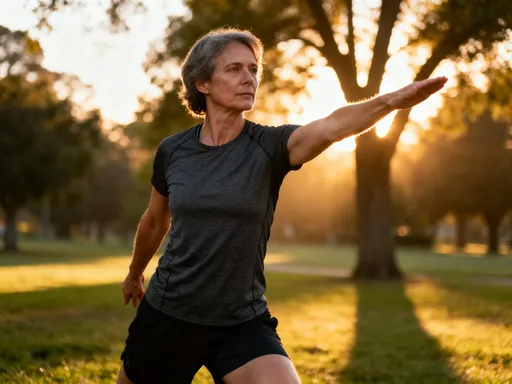
It’s important to note that high-impact activities aren’t the only option. For women concerned about joint stress or balance, low-impact weight-bearing exercises like brisk walking or elliptical training still provide meaningful benefits. The key is consistency and progression. Starting with just 20 minutes of walking three times a week can make a difference. Over time, increasing duration or intensity helps maintain the stimulus bones need. Balance and coordination exercises, such as tai chi or simple heel-to-toe walks, also reduce fall risk—a crucial factor in preventing fractures. Movement isn’t just about building strength; it’s about preserving independence and confidence in daily life.
Lifestyle Leaks: Everyday Habits That Undermine Bone Strength
While nutrition and exercise are often highlighted, certain lifestyle habits can quietly erode bone health over time. Smoking, for example, is a well-documented risk factor for low bone density. Research shows that smokers have lower bone mass and a higher risk of fractures compared to non-smokers. The chemicals in tobacco interfere with estrogen production, reduce blood supply to bones, and impair the function of bone-building cells. Even secondhand smoke exposure may contribute to bone loss, making smoke-free environments important for long-term skeletal health.
Excessive alcohol consumption is another concern. Drinking more than two alcoholic beverages per day on a regular basis has been linked to decreased bone formation and increased fracture risk. Alcohol disrupts calcium balance, interferes with vitamin D metabolism, and can lead to poor nutrition and increased fall risk due to impaired balance. While occasional drinking is unlikely to cause harm, habitual overconsumption can undermine even the best dietary efforts.
Sedentary behavior, often a byproduct of modern lifestyles, also takes a toll. Spending long hours sitting—whether at a desk, in a car, or on the couch—deprives bones of the mechanical stress they need to stay strong. Additionally, certain medications, such as long-term use of corticosteroids for conditions like asthma or arthritis, can accelerate bone loss. While these medications are sometimes necessary, their impact on bones should be monitored, and protective strategies like increased calcium intake or bone density testing may be recommended. Recognizing these hidden threats allows for informed choices—small adjustments that protect bone integrity over decades.
From Plate to Pill: Navigating Nutrition with Realistic Choices
Eating for bone health doesn’t require drastic changes or expensive supplements. It’s about making thoughtful, sustainable choices that fit into real life. The goal isn’t perfection but progress—consistent inclusion of nutrient-rich foods in daily meals. For many women, this means reimagining familiar dishes with bone-supporting ingredients. Adding spinach to scrambled eggs, choosing yogurt with live cultures for a snack, or using canned salmon in salads are simple ways to boost intake without overhauling the entire diet.
For those with dietary restrictions, such as lactose intolerance or dairy allergies, options still exist. Lactose-free milk, fortified almond or oat milk, and calcium-set tofu provide accessible alternatives. Some plant-based foods, like chia seeds and figs, also contain notable amounts of calcium. Pairing these with vitamin C-rich foods—such as oranges or bell peppers—can enhance iron absorption, which supports overall energy and vitality, indirectly benefiting physical activity levels. Cultural eating patterns can also be adapted. Mediterranean-style diets, rich in vegetables, legumes, fish, and olive oil, naturally align with bone-healthy principles. Traditional Asian diets featuring tofu, seaweed, and small fish with bones also offer strong nutritional support.
While supplements can help fill gaps, they should not replace whole foods. Calcium supplements, for example, have been associated with mixed results in research, and excessive intake may pose risks to heart health in some individuals. The safest approach is to prioritize food first, then consult a healthcare provider before starting any supplement regimen. A balanced diet that includes a variety of colors, textures, and food groups not only supports bones but also promotes gut health, immune function, and long-term well-being. Small, daily choices—like choosing a piece of fruit over a processed snack—add up to meaningful change over time.
Beyond Calcium: The Hidden Players in Bone Wellness
Calcium often dominates the conversation about bones, but it’s only one piece of a much larger puzzle. Other nutrients play equally vital roles, though they receive less attention. Vitamin K2, for instance, helps direct calcium to the bones and teeth while preventing it from depositing in arteries or soft tissues. Found in fermented foods like natto, certain cheeses, and egg yolks, vitamin K2 works behind the scenes to ensure calcium is used effectively. Without it, calcium may not reach its intended destination, reducing its benefit and potentially causing unintended consequences.
Magnesium, another essential mineral, supports over 300 biochemical reactions in the body, including those involved in bone formation. It helps convert vitamin D into its active form, enabling better calcium absorption. Whole grains, nuts, seeds, and dark leafy greens are excellent sources. Yet, many adults do not consume enough magnesium, often due to diets high in refined grains and low in plant-based foods. Similarly, phosphorus, found in meat, dairy, and whole grains, works with calcium to build bone structure, but balance is key—excessive intake, especially from processed foods and sodas, may disrupt mineral equilibrium.
Hormonal balance, sleep quality, and stress levels also influence bone health in subtle but significant ways. Chronic stress elevates cortisol, a hormone that, in excess, can interfere with bone formation and increase calcium excretion. Poor sleep disrupts the body’s repair cycles, including those involved in tissue regeneration. Gut health, too, plays a role—since nutrient absorption begins in the digestive tract, conditions like celiac disease or chronic inflammation can impair the uptake of bone-critical vitamins and minerals. Addressing these factors holistically—through stress management techniques like mindfulness or gentle movement, consistent sleep routines, and a fiber-rich diet—supports not just bones, but overall vitality.
Building a Sustainable Routine: Small Steps That Add Up
Lasting change doesn’t come from extreme diets or intense workout plans—it comes from small, consistent habits that fit into daily life. The key to protecting bone health is sustainability. Instead of aiming for perfection, focus on progress. Start with one achievable goal: a 15-minute walk after dinner, adding a serving of leafy greens to lunch, or spending 10 minutes in the sun each day to support vitamin D production. These small actions, repeated over time, create lasting impact.
Tracking progress can be motivating, but it shouldn’t become a source of pressure. Using a simple journal to note daily movement, meals, or mood can help identify patterns and celebrate improvements. Some women find it helpful to involve family members—preparing a bone-healthy meal together or taking weekend walks with a partner or friend. Social support enhances accountability and makes healthy living more enjoyable. Technology can also assist—fitness trackers, reminder apps, or online communities provide gentle encouragement without judgment.
It’s also important to listen to your body. Bone health is not about pushing through pain or adhering to rigid rules. It’s about honoring your body’s needs and making choices that support long-term strength and well-being. Regular check-ups, including bone density scans when appropriate, offer valuable insights and help guide decisions. Most importantly, remember that it’s never too early—or too late—to start. Whether you’re in your 30s, 40s, 50s, or beyond, every positive choice contributes to a stronger, more resilient future. Bone health is not just about preventing fractures; it’s about maintaining the freedom to move, live, and thrive at every stage of life.