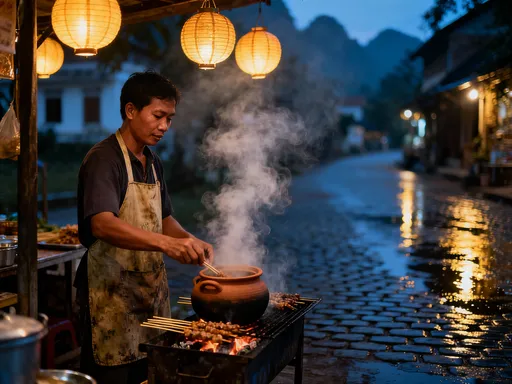
You Gotta Taste This: Sendai’s Food Scene Will Blow Your Mind
If you think Japanese food is just sushi and ramen, wait till you hit Sendai. This vibrant city in Tohoku serves up bold flavors, fresh local ingredients, and culinary traditions that go way beyond the usual. From smoky grilled beef to steamed sweets wrapped in leaves, every bite tells a story. I wandered through markets, tucked into tiny eateries, and discovered how food here isn’t just fuel—it’s a way of life. Nestled between the mountains and the Pacific, Sendai blends natural abundance with generations-old craftsmanship, creating a dining experience that’s both deeply satisfying and quietly poetic. It’s a place where meals unfold slowly, where taste is tied to season and soil, and where visitors are welcomed not as tourists, but as guests.
Why Sendai? Uncovering the Heart of Tohoku Cuisine
Sendai, the largest city in Japan’s Tohoku region, is often overlooked by travelers heading straight to Tokyo or Kyoto. Yet this green, modern metropolis offers something those well-trodden paths sometimes lack—a sense of authenticity. Known as the City of Trees for its wide, leafy boulevards, Sendai is also a quiet epicenter of regional cuisine. Its location is key: just inland from the Pacific coast, with river valleys feeding fertile plains and mountains rising in the distance, the area enjoys a rich variety of microclimates. This diversity supports a wide range of agriculture, from rice paddies to orchards, and ensures a steady supply of fresh seafood, mountain vegetables, and high-quality livestock.
Unlike the refined subtleties of Kyoto or the fast-paced innovation of Tokyo, Tohoku’s food culture leans into heartiness and depth. Winters are cold, and the cuisine reflects that—slow-cooked stews, rich broths, and grilled meats are staples. But it’s not just about warmth and comfort; it’s about connection. In Sendai, food is woven into the rhythm of daily life, from morning market stalls selling warm onigiri to evening izakayas where neighbors gather over shared plates. The city’s culinary identity is shaped by its history, too. Once ruled by the powerful Date clan, Sendai has long valued craftsmanship, discipline, and pride in local produce—all of which shine through in its dishes.
For travelers seeking a more grounded, immersive experience, Sendai is ideal. It’s large enough to offer modern conveniences and excellent public transport, yet small enough that you can feel the pulse of the community. You won’t find crowds of influencers lining up for photogenic desserts. Instead, you’ll see salarymen stopping by a tucked-away stall for a midday bowl of soba, or families sharing a platter of grilled fish at a riverside picnic. This is food without pretense, served with quiet pride. And because tourism is still developing in the region, many of the best spots remain local favorites, passed down by word of mouth rather than social media.
What truly sets Sendai apart is its dedication to seasonality and provenance. Menus change with the months—spring brings bamboo shoots and wild herbs, summer offers sweet melons and fresh sardines, autumn is marked by mushrooms and chestnuts, and winter warms the soul with hot pots and preserved foods. Local chefs often list the farms and fishermen who supply their ingredients, reinforcing the bond between land and plate. For the mindful traveler, this transparency is refreshing. It invites you to slow down, pay attention, and appreciate not just how food tastes, but where it comes from and how it’s made.
Zao Gyu: The Rich, Juicy Beef That Defines Sendai
When people talk about Sendai’s food, one name rises above the rest: Zao Gyu. This premium wagyu beef, raised in the highlands surrounding Mount Zao, is a source of local pride and a must-try for any visitor. While Kobe and Matsusaka often dominate international headlines, Zao Gyu holds its own with exceptional marbling, a buttery texture, and a clean, rich flavor that doesn’t overwhelm. The cattle are raised in cool, mountainous conditions, which contribute to the meat’s fine fat distribution and deep umami character. Farmers follow strict standards, feeding the animals a balanced diet and ensuring low-stress environments—practices that enhance both animal welfare and meat quality.
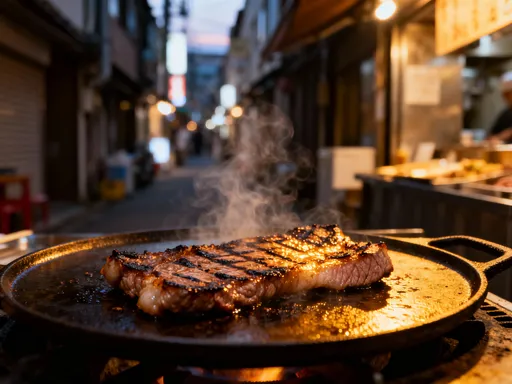
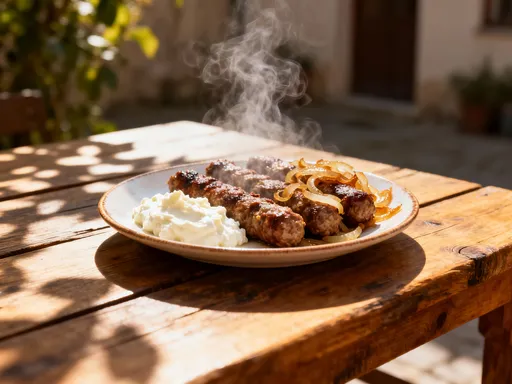
The best way to experience Zao Gyu is grilled yakiniku-style, where thin slices are seared over charcoal at the table. The scent of smoky fat fills the air as the meat caramelizes at the edges, remaining tender and juicy at the center. Many restaurants in Sendai specialize in this preparation, offering set menus that guide diners through different cuts—from ribeye to sirloin to rare offal pieces. Some upscale spots even let you select your own cuts from a display case, like choosing jewels from a velvet tray. But you don’t need a formal setting to enjoy it. Casual grills tucked into side streets serve generous portions at reasonable prices, often paired with local pickles, miso soup, and bowls of steamed rice.
What makes Zao Gyu stand out among Japan’s many wagyu varieties is its balance. It’s rich, yes, but not cloying. The fat melts at a lower temperature, creating a smooth mouthfeel without greasiness. This is due in part to the breed—Japanese Black cattle—and in part to the region’s pure water and clean air. Some producers have been raising wagyu for over a century, passing down techniques through generations. Today, many farms welcome visitors for tours, offering a rare glimpse into the care and tradition behind each bite.
For those concerned about sustainability, Zao Gyu offers a reassuring model. Small-scale farming is the norm, with close attention to feed sources and environmental impact. Some farms use rice straw and locally grown grains, closing the loop between agriculture and livestock. While wagyu is inherently a luxury product, the emphasis in Sendai is on quality over quantity—encouraging mindful consumption rather than excess. Sharing a platter of grilled Zao Gyu isn’t just a meal; it’s a celebration of craft, nature, and patience.
Kakuni Manju: Comfort Food Steamed to Perfection
Not every iconic dish in Sendai requires a reservation or a special occasion. Kakuni manju, a humble yet deeply satisfying snack, can be found in markets, train stations, and neighborhood bakeries across the city. At its core, it’s simple: a soft, pillowy steamed bun cradling a generous square of braised pork belly. The pork is simmered for hours in a savory-sweet sauce made with soy, mirin, and sake, until it’s so tender it nearly collapses at the touch of a chopstick. The contrast between the melt-in-your-mouth meat and the light, slightly sweet bun is pure comfort—a harmony of textures and flavors that feels both indulgent and homey.
Kakuni manju has roots in Chinese baozi, but Sendai has made it its own. Local versions often use pork from nearby farms, known for their high-quality, well-marbled cuts. The sauce is carefully balanced—not too salty, not too sweet—with a depth that builds with each bite. Some vendors add a hint of star anise or ginger for warmth, while others keep it classic. The buns are steamed fresh throughout the day, ensuring a delicate, cloud-like texture that gives way without tearing. Eating one warm, with a little sauce soaking into the dough, is a small joy that lingers in memory.
One of the best places to try kakuni manju is at Sendai’s covered markets, like the Ichibancho Arcade or the morning market near Aoba Shrine. Here, small stalls run by families or long-time vendors offer handmade versions that taste like they’ve been perfected over decades. Some pair the manju with a cup of green tea or a small dish of pickled vegetables, creating a mini-meal in minutes. It’s also a popular takeaway item—many locals grab a few on their way to work or as a midday pick-me-up. In ryokan and traditional inns, kakuni manju sometimes appears as part of a breakfast spread, served alongside grilled fish and miso soup.
Beyond its deliciousness, kakuni manju reflects a broader truth about Sendai’s food culture: the value of slow cooking and simple pleasures. In a world of fast bites and instant gratification, this dish is a reminder that good things take time. The pork simmers for hours, the buns are made in small batches, and the result is something that feels earned, not rushed. For visitors, it’s an accessible entry point into the city’s culinary heart—one that doesn’t require a big budget or a fancy reservation, just an open appetite and a willingness to savor.
Akiu Sake: Sipping the Spirit of the Mountains
No exploration of Sendai’s food scene is complete without a toast to Akiu, a quiet onsen village just a short train ride from the city center. Nestled in the hills, Akiu is known for two things: its healing hot springs and its exceptional sake. The connection between the two is no accident. Pure, soft mountain water—filtered through layers of rock and forest—flows into the village, providing the perfect base for brewing. This water is low in minerals, allowing delicate fermentation that produces sake with a clean, smooth finish and a subtle floral or fruity aroma. Local breweries, some family-run for generations, use rice grown in nearby paddies, further anchoring the drink to the land.
Visiting an Akiu brewery is a serene experience. Unlike the bustling sake halls of Kyoto or Niigata, these small operations often feel intimate, with just a few tanks and a quiet tasting room. You might be greeted by the brewmaster themselves, who explains the process with quiet pride. Sake production in Akiu follows the traditional calendar: rice is polished, steamed, and mixed with koji mold in winter, then fermented slowly in cold conditions. The result is junmai or ginjo sake—full-bodied or delicately fragrant, depending on the style. Seasonal batches reflect the time of year, with lighter, crisper varieties in spring and richer, more textured ones in autumn.
Tasting sake in Akiu is best done slowly. Small cups are poured one at a time, encouraging mindfulness. The sake is served slightly chilled, allowing the aromas to open gradually. Notes of pear, melon, or rice blossom may emerge, followed by a clean, rounded taste that lingers pleasantly. Some breweries offer pairings with local snacks—grilled fish, pickled vegetables, or even a small piece of Zao Gyu—showing how sake enhances food rather than overpowering it. For visitors, it’s a chance to slow down, breathe deeply, and appreciate the quiet artistry of fermentation.
The experience is often paired with a visit to one of Akiu’s onsen. After a tasting, slipping into a warm, wooden bath surrounded by forest feels like a natural extension of the ritual. The combination of good sake and soothing water is deeply relaxing—a tradition that locals cherish. Some ryokan offer overnight stays with kaiseki dinners featuring Akiu sake pairings, turning a day trip into a full sensory retreat. For travelers, this blend of food, drink, and nature offers a rare sense of balance, a reminder that pleasure doesn’t have to be loud or flashy to be profound.
Sendai Gyutan: The Iconic Dish You Can’t Miss
If there’s one dish that defines Sendai’s culinary identity, it’s gyutan—the grilled beef tongue that has become a symbol of the city. Once considered a humble, off-cut item, gyutan was elevated to gourmet status in the 1950s by a local restaurant owner who saw its potential. Today, it’s a source of civic pride, with dozens of specialized restaurants vying for the title of best in town. The preparation is precise: the tongue is boiled until tender, then sliced thickly and grilled over charcoal until the outside is slightly charred while the inside remains soft and juicy. It’s served simply—with a side of rice, miso soup, and perhaps a small salad—but the flavor is anything but ordinary.
The taste of gyutan is rich and meaty, with a subtle sweetness and a texture that’s firm yet yielding. It’s not gamy or tough, as some might expect, but deeply savory, almost nutty in its depth. The charring adds a smoky note that complements the natural umami of the meat. Many restaurants offer dipping sauces—some salty, some slightly sweet—or let the gyutan speak for itself. High-end spots may serve it as part of a multi-course meal, paired with seasonal vegetables and local sake, while casual joints focus on hearty portions at affordable prices.
What’s remarkable is how gyutan has become a unifying dish. It’s eaten by students, office workers, and families alike. Some people visit the same restaurant for decades, greeting the staff like old friends. The loyalty is mutual—many chefs take pride in sourcing their beef from trusted farms and grilling each order with care. For visitors, trying gyutan isn’t just about tasting a local specialty; it’s about participating in a tradition that values consistency, craftsmanship, and community.
Several restaurants in central Sendai have become institutions. One might have a line out the door at lunchtime, with customers waiting patiently for a table. Another might be tucked down an alley, its entrance marked only by a faded lantern. Inside, the air is warm, the walls lined with sake bottles, and the grill sizzling with the next round of orders. It’s not uncommon for diners to strike up conversations with strangers, bonded by their shared love of the dish. In this way, gyutan is more than food—it’s a social experience, a conversation starter, a piece of living culture.
Leisure & Local Life: Markets, Parks, and Food Stalls
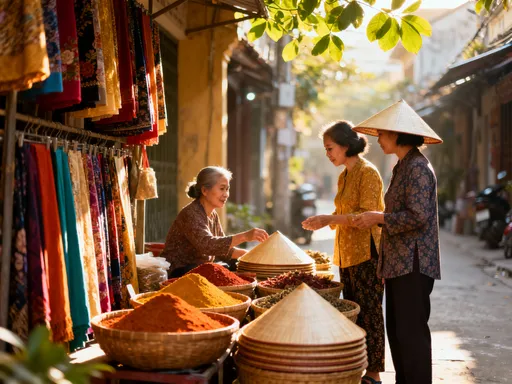
To truly understand Sendai’s food culture, you have to step into its everyday spaces. The city’s covered arcades, like Ichibancho and Nagamachi Shotengai, are alive with the hum of daily life. Under long glass roofs, vendors sell everything from fresh fish and pickled vegetables to handmade sweets and hot grilled snacks. The scent of yaki-imonyaki—roasted sweet potatoes—drifts from small stalls, while others offer steaming bowls of ramen or skewers of yakitori. These markets aren’t tourist traps; they’re where locals shop, eat, and catch up with neighbors. Prices are fair, portions are generous, and the atmosphere is warm and unhurried.
Parks, too, play a role in the city’s food rhythm. At Osaki Hachiman Shrine or along the Hirose River, families gather for picnics, spreading out blankets with bento boxes, fruit, and thermoses of tea. Food trucks and seasonal stalls appear during festivals, offering everything from grilled corn to matcha soft serve. In spring, cherry blossom viewing includes elaborate spreads of sushi, dumplings, and sake. In autumn, chestnuts are roasted in metal drums, their sweet, smoky aroma filling the air. These moments aren’t just about eating—they’re about sharing, relaxing, and being present.
Even the city’s public spaces are designed with leisure in mind. Benches line the riverbanks, perfect for unwrapping a sandwich and watching the water flow. Cafes with outdoor seating offer quiet corners for reading or people-watching. The pace is noticeably slower than in Tokyo, allowing room for conversation and reflection. For visitors, this laid-back rhythm makes dining more enjoyable. There’s no pressure to rush through a meal or chase the next Instagrammable bite. Instead, you’re invited to linger, to savor, to connect.
This blend of food and leisure is central to Sendai’s charm. It’s not about spectacle or novelty, but about consistency and comfort. Whether you’re sipping tea at a market stall, sharing gyutan with new friends, or toasting with Akiu sake in a mountain village, the experience feels authentic. The city doesn’t perform for tourists—it simply lives, and lets you step into its rhythm.
How to Experience Sendai’s Food Culture Like a Local
To make the most of Sendai’s culinary offerings, a little planning goes a long way. The best time to visit is during spring (April to May) or autumn (October to November), when the weather is mild and seasonal ingredients are at their peak. Early summer brings fresh seafood and river eel, while winter is ideal for hot pots and grilled meats. Avoid major holidays if you prefer fewer crowds, though festivals can be a wonderful way to experience local traditions.
A one-day food trail could begin at the morning market near Aoba Shrine, where you can sample kakuni manju and fresh produce. From there, head to Ichibancho Arcade for lunch—perhaps a serving of gyutan at a well-reviewed spot. In the afternoon, take the train to Akiu Onsen for a sake tasting and a soak in the hot springs. Return to central Sendai in the evening for a yakiniku dinner featuring Zao Gyu, ideally at a restaurant with an open grill so you can cook your own meat.
Getting around is easy. Sendai is walkable, and the subway system is clean, efficient, and well-marked in English. Buses connect to outlying areas like Akiu. When dining, a few etiquette basics enhance the experience: say “itadakimasu” before eating, avoid passing food chopstick-to-chopstick, and leave your chopsticks resting on the holder, not sticking upright in your rice. Tipping is not customary—excellent service is simply part of the culture.
Most importantly, embrace the pace. Don’t rush from one meal to the next. Sit longer. Talk to vendors. Try something unfamiliar. Let the flavors unfold. In Sendai, food isn’t just sustenance—it’s a bridge to place, to people, to tradition. It’s a reminder that the best journeys aren’t measured in miles, but in moments of connection, warmth, and taste. Come with an open heart, and you’ll leave with a full soul.