You Won’t Believe What Salalah Hides in Its Green Mountains
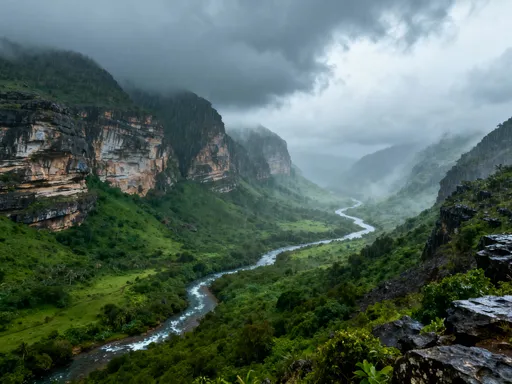
Nestled on Oman’s southern coast, Salalah transforms every summer into a lush paradise you’d never expect in the Arabian Peninsula. Think emerald wadis, misty highlands, and waterfalls tucked between dramatic cliffs—all under a soft drizzle known as *khareef*. I was stunned by how green it gets. If you’re chasing nature that feels almost unreal in this region, Salalah delivers with quiet majesty and zero crowds. This seasonal miracle, powered by the annual monsoon, turns the Dhofar region into a living canvas of greenery, where fog drapes over mountain slopes and streams awaken after months of dormancy. Far from the arid deserts typically associated with the Gulf, Salalah offers a rare glimpse of Arabia reborn—peaceful, pristine, and profoundly moving.
Why Salalah Stands Out in the Arabian Landscape
Salalah defies the expectations most travelers hold about the Arabian Peninsula. While much of the Gulf is defined by golden dunes, intense heat, and expansive drylands, Salalah emerges as a striking contrast each year between June and September. This transformation is driven by the *khareef* monsoon, a seasonal weather pattern that sweeps in from the Indian Ocean, bringing cool temperatures, persistent mist, and gentle rainfall. The phenomenon is localized, affecting primarily the southern coast of Oman, particularly the Dhofar region, where Salalah serves as the capital. Unlike anywhere else in the country, this corner of Arabia becomes a subtropical haven, with vegetation that resembles the highlands of East Africa or even parts of Southeast Asia.
The geographic position of Salalah plays a crucial role in this natural spectacle. Situated along the Arabian Sea, the city lies at the base of the Dhofar Mountains, which rise abruptly from the coastal plain. These highlands intercept the moisture-laden monsoon winds, forcing them upward and causing condensation that results in prolonged cloud cover and frequent drizzle. The result is a microclimate unlike any other in the Gulf. Grasslands flourish, wildflowers bloom in abundance, and seasonal streams swell into flowing rivers. This green season turns the landscape into a patchwork of vibrant greens, from the deep emerald of dense thickets to the soft lime of newly sprouted grasses.
What makes Salalah especially remarkable is not just its beauty, but its accessibility within a region better known for luxury cities and desert adventures. Families, nature lovers, and curious travelers can experience a side of Arabia that remains largely undocumented in mainstream tourism. The absence of mass tourism allows for a more intimate connection with nature. There are no overcrowded trails or commercialized viewpoints—just quiet roads winding through misty hills and the occasional glimpse of grazing mountain goats. For 30- to 55-year-old women seeking a meaningful escape that combines serenity, natural wonder, and cultural authenticity, Salalah offers a rare opportunity to witness a hidden chapter of the Arab world.
Wadi Darbat: The Crown Jewel of Salalah’s Wilderness
Among the many natural treasures of Salalah, Wadi Darbat stands as the most iconic and breathtaking destination. Located about 50 kilometers northeast of the city, this valley unfolds like a storybook landscape—tiered waterfalls cascade into turquoise pools, surrounded by cliffs draped in moss and ferns. During the *khareef* season, the wadi becomes a sanctuary of cool air and vibrant life. The centerpiece is a two-tiered waterfall that drops into a serene lake, where visitors can paddle in small rowboats or simply sit on the grassy banks and absorb the stillness. It’s a place where time slows, and the mind finds peace.
The experience of Wadi Darbat goes beyond visual beauty. Families often come here for picnics, spreading blankets on the soft grass with baskets of fresh fruit, dates, and Omani halwa. Children laugh as they splash in the shallows, while adults relax under the shade of acacia trees. Camping is permitted in designated areas, offering a chance to spend the night under a sky veiled in mist, listening to the distant sound of falling water. The air carries the scent of wet earth and wild mint, creating a sensory experience that feels both grounding and rejuvenating. For many visitors, especially women traveling with family, this setting provides a rare blend of adventure and tranquility—safe, scenic, and deeply restorative.
Hiking trails wind through the wadi, leading to elevated viewpoints that offer panoramic vistas of the valley and the distant sea. One popular path climbs gently to a ridge overlooking the lake, where the full scale of the landscape becomes apparent. From above, the water reflects the gray skies like a mirror, and the surrounding hills roll into the distance like waves. These trails are well-marked and suitable for moderate fitness levels, making them accessible to older children and adults alike. However, it’s important to wear sturdy footwear, as some sections can be slippery after rain.
To make the most of a visit to Wadi Darbat, timing is essential. The early morning hours are ideal, when the fog is thickest and the light is softest—perfect for photography. By midday, the mist often lifts, revealing clear views but also bringing more visitors. Those seeking solitude should arrive at sunrise. It’s also wise to bring rain gear, as sudden drizzles are common, and to pack plenty of drinking water, snacks, and sun protection for when the clouds part. While facilities are basic, the lack of commercialization preserves the wadi’s natural charm, making it a destination that feels authentic and unspoiled.
Jabal Samhan: Where Cliffs Meet the Clouds
Rising over 2,000 meters above sea level, Jabal Samhan is one of Oman’s most dramatic and ecologically significant landscapes. This rugged escarpment forms the eastern edge of the Dhofar Mountains, where sheer cliffs plunge hundreds of meters toward the Arabian Sea. During the *khareef* season, these heights are often shrouded in clouds, creating an atmosphere of mystery and grandeur. The mountain is not just a visual marvel—it’s a sanctuary for rare wildlife, including the elusive Arabian leopard, one of the most endangered cats in the world. Conservation efforts by Oman’s Ministry of Environment and Climate Affairs have helped protect this species, with Jabal Samhan designated as a protected area to limit human intrusion and preserve its fragile ecosystem.
The biodiversity of Jabal Samhan is extraordinary. The combination of high elevation, moisture from the monsoon, and isolation has allowed unique plant and animal species to thrive. Frankincense trees, which have been harvested in this region for thousands of years, grow wild on the lower slopes. Birdwatchers may spot Egyptian vultures, kestrels, and the rare Arabian woodpecker. The mountain’s limestone formations also harbor hidden caves and crevices that serve as shelters for wildlife. For environmentally conscious travelers, especially women interested in sustainable tourism, visiting Jabal Samhan is a chance to witness conservation in action and support eco-friendly travel practices.
Several scenic viewpoints provide safe and accessible ways to experience the majesty of Jabal Samhan. Ain Razat is one of the most popular, offering a sweeping vista of the cliffs and the coastline below. On clear days, the sea sparkles in the distance, while flocks of birds ride the thermal winds along the ridge. Al Khubrah viewpoint is another excellent stop, located along a well-maintained road that allows for easy access by car. These spots are ideal for quiet reflection, photography, or simply breathing in the crisp, clean air. Many visitors describe a sense of awe and humility when standing at the edge of such vastness—a reminder of nature’s power and beauty.
Exploring Jabal Samhan requires caution. The terrain is remote, and mobile phone reception is limited. Roads can be narrow and winding, with steep drop-offs, so only experienced drivers should attempt deeper routes. It’s recommended to travel with a full tank of fuel, extra water, and a basic first-aid kit. Joining a guided tour is a wise choice for those unfamiliar with the area, as local guides know the safest paths and can share insights about the region’s ecology and heritage. Respecting the environment is essential—visitors should avoid littering, disturbing wildlife, or removing plants. By treading lightly, travelers help ensure that Jabal Samhan remains a sanctuary for generations to come.
Mughsail Bay and the Blowholes: Coastal Wonders
Just west of Salalah, Mughsail Bay presents a striking contrast between serene beauty and raw natural power. This secluded beach is famous for its unique geological formations known as blowholes—natural vents in the volcanic rock that shoot seawater high into the air when waves surge through underground tunnels. The effect is both dramatic and mesmerizing, especially during high tide or strong swells. Spectators gather on the rocky platforms to watch the bursts of water, sometimes reaching several meters in height, accompanied by deep, resonant booms. It’s a natural spectacle that captivates visitors of all ages, offering a blend of excitement and wonder.
Beyond the blowholes, Mughsail Bay is a place of quiet elegance. The beach itself is covered in smooth black and white pebbles, polished by centuries of wave action. Unlike sandy shores, this stony coastline creates a unique texture underfoot and a soft crunching sound with each step. The sea here is often shrouded in rolling fog during the *khareef* season, giving the bay an ethereal, dreamlike quality. Seagulls glide overhead, and the occasional fisherman can be seen casting lines from the rocks. For those seeking a peaceful moment by the ocean, Mughsail offers solitude and serenity, far from crowded resorts or urban noise.
The area also holds cultural significance. Nearby, ancient frankincense trees grow in the wild, connecting the landscape to Oman’s rich trading history. For millennia, Dhofar was a key source of high-quality frankincense, a resin used in religious ceremonies, medicine, and perfumery across the ancient world. Walking among these gnarled, slow-growing trees evokes a deep sense of time and tradition. Interpretive signs and guided tours help visitors understand the historical importance of frankincense, making Mughsail not just a natural attraction but a living museum of heritage.
To fully enjoy Mughsail Bay, timing and preparation are key. The blowholes are most active during high tide and when waves are strong, so checking tide schedules in advance enhances the experience. Early morning visits offer the best light for photography and fewer crowds. The rocky terrain requires sturdy shoes, and a light rain jacket is advisable, as sea spray and mist can quickly dampen clothing. While there are basic facilities nearby, bringing water and snacks ensures comfort. Families appreciate the safety of the viewing areas, which are fenced in key spots, making it a suitable destination for children and older adults alike.
Hidden Wadis Off the Beaten Path
While Wadi Darbat draws the most attention, Salalah’s true magic often lies in its lesser-known valleys. Wadi Ayn and Wadi Muqal are two such hidden gems, offering quieter, more intimate encounters with nature. Wadi Ayn, located inland, features terraced pools fed by seasonal springs. Stone steps and small bridges, built by local communities, allow easy access to different levels, making it family-friendly and ideal for gentle exploration. Children love climbing between the pools, while adults find peace in the shade of date palms and fig trees. The water is cool and clear, perfect for a refreshing dip after a long drive through the hills.
Wadi Muqal, meanwhile, is a labyrinth of limestone formations, caves, and narrow passages. This wadi feels like stepping into another world—its walls rise steeply on either side, and sunlight filters through in golden beams. Hidden pools collect in hollows, some large enough for swimming, while dwarf palm trees cling to crevices in the rock. Exploring Wadi Muqal requires a sense of adventure and respect for the environment. Some sections are slippery, and the path is not always clearly marked, so a local guide is highly recommended. These guides not only ensure safety but also share stories about the land, its plants, and traditional uses by Omani communities.
What makes these hidden wadis so valuable is their untouched quality. Without the foot traffic of more famous sites, they remain pristine ecosystems where birds, insects, and small mammals thrive. However, this fragility means that visitors must practice low-impact travel. This includes packing out all trash, avoiding loud noises, and refraining from carving names or symbols into the rock. Staying hydrated is essential, as temperatures can rise quickly even during the monsoon, and shade is limited in some areas. Bringing a wide-brimmed hat, sunscreen, and plenty of water ensures a safe and comfortable visit.
For women traveling with family or friends, these quiet wadis offer a chance to connect—not just with nature, but with each other. Away from distractions, conversations deepen, and memories are made in the simplicity of a shared swim or a picnic beside a stream. These moments of presence and peace are increasingly rare in modern life, making the hidden wadis of Salalah not just scenic stops, but soul-nourishing experiences.
Practical Tips for Experiencing Salalah’s Nature
Planning a trip to Salalah begins with choosing the right time. The peak *khareef* season runs from June to September, with July and August offering the lushest scenery and most consistent rainfall. However, visiting in late June or early September can provide a balance—fewer crowds and slightly drier conditions, while still capturing the essence of the green season. Shoulder months like May or October may lack the full monsoon effect but offer pleasant weather and lower prices, ideal for travelers who prefer milder conditions.
Transportation is a key consideration. While Salalah has a small international airport with connections to major Gulf cities, getting around the region often requires a reliable vehicle. A 4x4 rental is recommended, especially for reaching remote sites like Wadi Muqal or the viewpoints of Jabal Samhan. Roads are generally well-maintained, but some mountain tracks can be unpaved and slippery when wet. Alternatively, guided tours offer a stress-free option, with knowledgeable drivers who understand the terrain and can share cultural insights. Many tour operators specialize in family-friendly itineraries, making them ideal for women traveling with children or elderly relatives.
Packing appropriately ensures comfort and safety. Light rain gear, such as a waterproof jacket or poncho, is essential for sudden drizzles. Sturdy walking shoes with good grip are a must for hiking and exploring rocky areas. A reusable water bottle helps maintain hydration, especially in humid conditions. For photography enthusiasts, a waterproof camera case or cover protects equipment from moisture. Sunscreen, sunglasses, and a wide-brimmed hat remain important—even on cloudy days, UV exposure can be high.
Accommodation options range from modern city hotels in Salalah to eco-friendly mountain lodges. Many visitors choose to stay in the city for convenience, then take day trips to the wadis and highlands. Others prefer a more immersive experience, booking stays in rural guesthouses or eco-camps that offer direct access to nature. These accommodations often emphasize sustainability, using solar power, minimizing waste, and supporting local communities. By choosing responsible lodging, travelers contribute to the preservation of Salalah’s unique environment.
Why This Journey Changes How You See Oman
A visit to Salalah does more than provide a memorable vacation—it reshapes perceptions. For many, Oman is synonymous with desert forts, golden dunes, and modern cities like Muscat. Salalah challenges that image, revealing a side of the country that is green, misty, and alive with natural wonder. This journey invites travelers to look beyond the postcard views and discover a deeper, more nuanced Arabia—one shaped by monsoon rains, ancient trees, and quiet mountain valleys. It’s a reminder that beauty exists in unexpected places, often hidden in plain sight.
For women in their 30s to 50s, this kind of travel holds special value. It’s not about ticking off landmarks or chasing thrills, but about slowing down, reconnecting with nature, and finding moments of stillness. Salalah offers a space where the pace of life aligns with the rhythm of the seasons—where fog rolls in gently, waterfalls flow without hurry, and time feels expansive. This is slow travel at its finest: intentional, mindful, and deeply fulfilling.
Exploring Salalah also fosters a sense of responsibility. Seeing the efforts to protect the Arabian leopard, the care taken to preserve frankincense groves, and the respect local communities show for their land inspires visitors to travel with greater awareness. It encourages choices that honor the environment—staying on trails, reducing waste, and supporting sustainable businesses. In doing so, travelers become part of a larger story of conservation and cultural preservation.
In the end, Salalah is not just a destination. It’s a revelation—a quiet, green miracle that defies expectations and leaves a lasting impression. It reminds us that wonder is still possible, that nature can surprise us, and that some of the most beautiful places are those we never knew to look for. For those ready to explore with curiosity, respect, and an open heart, Salalah awaits—not with fanfare, but with the soft whisper of rain on leaves and the gentle mist on the mountains.