You Won’t Believe What I Found at Penang’s Festival Scene
Penang isn’t just about street food and heritage shophouses—its festival culture is a whole other level. I went in expecting color and music, but left with a deeper connection to Malaysia’s soul. From lantern-lit alleys to drumbeats shaking the night air, every moment felt alive. This is more than celebration—it’s identity, passed down through generations. If you think festivals are just for tourists, think again.
The Heartbeat of Penang: Why Festivals Define the Island’s Spirit
Penang’s festivals are not staged events designed for postcard moments; they are the living pulse of a community that honors its roots while embracing the present. The island’s cultural fabric is woven from Chinese, Malay, Indian, and Peranakan threads, and nowhere is this tapestry more vivid than during its many celebrations. These are not isolated traditions but interwoven rhythms that echo through the streets of George Town, the lanes of Butterworth, and the coastal villages that dot the island. When the drums begin to beat during Thaipusam or the scent of jasmine fills the air during Hari Raya, it’s clear that these festivals are not performances—they are expressions of belonging.
Walking through George Town during Chinese New Year, one feels the warmth of generations gathered under red lanterns. Elders place offerings at ancestral altars, children clutch red envelopes, and neighbors share trays of pineapple tarts and yee sang. The festival is not just about luck or prosperity; it’s about continuity—about teaching the young what it means to be part of a family, a community, a culture. Similarly, during Deepavali, the Festival of Lights, entire neighborhoods glow with oil lamps and intricate kolam designs drawn at doorsteps. These moments are not curated for visitors; they unfold naturally, born from devotion and shared memory.
What makes Penang’s festival culture so powerful is its authenticity. Unlike commercialized events in other tourist destinations, these celebrations are not diluted for mass appeal. They remain deeply personal and locally rooted. A Malay family preparing ketupat and rendang for Hari Raya does so not for show, but as an act of faith and tradition. A Hindu devotee carrying a kavadi during Thaipusam does so with solemn dedication, not for spectacle. This sincerity invites visitors not as spectators, but as quiet witnesses to something profound. It’s this emotional resonance—the sense of being part of something timeless—that transforms a simple trip into a meaningful journey.
Timing Your Visit: Matching Your Trip to the Right Celebration
Planning a visit to Penang around its festivals requires more than checking a calendar—it’s about aligning your interests with the island’s cultural rhythm. Each major celebration offers a distinct experience, appealing to different aspects of travel: spirituality, art, food, or pure sensory immersion. Understanding what each festival offers can help you choose the right time to visit and deepen your connection to the island.
Chinese New Year, typically in late January or early February, transforms George Town into a sea of red and gold. The air hums with firecrackers, lion dances leap across shopfronts, and the aroma of dumplings and sweet rice cakes drifts from open homes. This is a time of family reunions and ancestral reverence, ideal for travelers interested in tradition, symbolism, and festive cuisine. However, it’s also one of the busiest times, with hotels booking months in advance and streets packed with locals and tourists alike. Booking accommodations early and planning visits to quieter neighborhoods like Air Itam or Pulau Tikus can help balance immersion with comfort.
For those drawn to spiritual intensity, Thaipusam in January or February is unparalleled. Devotees from across Malaysia and beyond make their way to the Sri Mahamariamman Temple in George Town before embarking on a pilgrimage to the Batu Caves in nearby Selangor. The sight of barefoot worshippers carrying kavadis—ornate structures balanced on shoulders and pierced through skin—is both awe-inspiring and humbling. While the event is deeply religious, visitors are welcome to observe with respect. Dressing modestly, maintaining silence near processions, and refraining from intrusive photography are essential. This festival is not for the faint of heart, but for those seeking a profound cultural experience, it’s unforgettable.
Hari Raya Aidilfitri, marking the end of Ramadan, offers a different kind of warmth. Homes open their doors to guests of all backgrounds in a tradition known as “open house.” The scent of spiced lamb, coconut rice, and kuih-muih (traditional sweets) fills the air. It’s a time of forgiveness, gratitude, and generosity—perfect for travelers who value hospitality and culinary exploration. Deepavali, usually in October or November, brings its own brilliance. Homes and temples are illuminated with oil lamps, and markets overflow with colorful fabrics, gold jewelry, and sweets like murukku and laddu. The George Town Festival, held annually in August, is a modern complement to these traditional events. It features street art, live music, heritage walks, and contemporary performances, blending the old with the new in creative harmony.
George Town After Dark: Experiencing the Magic of Light-Up Seasons
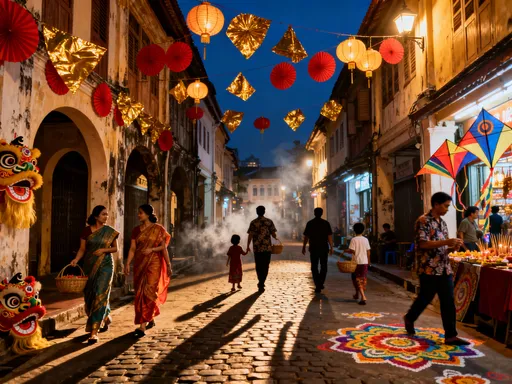
As dusk falls on George Town during festival season, the UNESCO World Heritage site undergoes a magical transformation. The colonial-era buildings, with their pastel facades and wrought-iron balconies, become backdrops for dazzling displays of light and sound. Lanterns strung across Armenian Street cast a golden glow on cobblestones, while projections on heritage walls tell stories of Penang’s past. The air thrums with the rhythm of gamelan music, the laughter of families, and the sizzle of street food stalls firing up for the night.
One of the most enchanting experiences is walking through Acheh Street during Ramadan bazaars. As the sun sets and the call to prayer echoes from nearby mosques, the street erupts in activity. Vendors arrange trays of fried dough, spiced noodles, and chilled ais kacang beneath strings of fairy lights. Locals gather in plastic chairs, sharing meals before heading to evening prayers. The atmosphere is electric yet intimate—a blend of devotion and community joy that few cities can replicate.
During Chinese New Year, the Kapitan Keling Mosque area becomes a meeting point of cultures. Red lanterns hang beside Islamic arches, and visitors from all backgrounds stroll together, taking photos and sampling festive treats. This coexistence is not forced; it’s organic, reflecting Penang’s long history of multicultural harmony. The George Town Festival amplifies this energy with night-time installations—light sculptures in alleyways, shadow puppetry in open courtyards, and jazz performances in restored shophouses. These moments are not just visually stunning; they invite reflection on how tradition and innovation can coexist.
What makes these nighttime experiences so special is their accessibility. Unlike ticketed events in other cities, Penang’s festival lights are free and open to all. Families, couples, solo travelers—they all move through the same streets, sharing the same wonder. There’s no barrier between performer and audience, between local and visitor. This inclusivity is at the heart of Penang’s charm, reminding us that celebration, at its best, is a shared human experience.
Beyond the Main Events: Hidden Festival Moments Most Tourists Miss
While the grand processions and public festivities draw the crowds, some of the most meaningful moments in Penang’s festival calendar happen quietly, away from the spotlight. These are the early-morning temple rituals, the family-run kueh stalls that appear only during Ramadan, and the neighborhood processions that wind through narrow residential lanes. They are not advertised in guidebooks, but they offer a deeper, more intimate understanding of the island’s culture.
One such moment is the pre-dawn activity at Kek Lok Si Temple during Chinese New Year. Long before the tourists arrive, elderly devotees light incense, bow before statues of Buddha, and whisper prayers for health and peace. The giant statue of Kuan Yin stands serene above them, illuminated faintly by the rising sun. There’s a stillness here that contrasts sharply with the daytime bustle—a sense of reverence that can’t be rushed or staged. Visitors who arrive early, move quietly, and observe with humility are often rewarded with smiles from locals who appreciate the respect.
Similarly, during Deepavali, some of the most authentic experiences happen in the Tamil community neighborhoods of Jalan Sungai Pinang or Pulau Tikus. Here, families spend days cleaning and decorating their homes, drawing intricate kolam designs at their doorsteps each morning. Some open their homes to neighbors and even strangers, offering sweets and tea. These open houses are not commercialized; they’re acts of generosity rooted in tradition. Asking politely if you can visit—especially if introduced by a local—is often met with warm acceptance.
Finding these hidden moments requires patience and sensitivity. It means slowing down, putting the camera away, and engaging with people as individuals, not subjects. It means understanding that not every ritual is meant for public viewing—some are sacred, private, or family-only. But when done with respect, this kind of travel yields rewards that last far longer than any photograph: a shared meal, a heartfelt conversation, a sense of connection that transcends language.
Food as Festival: How Flavors Tell Cultural Stories
In Penang, food is never just sustenance—it’s memory, identity, and love served on a plate. During festivals, this truth becomes especially clear. Each celebration brings with it a distinct culinary language, where ingredients, preparation methods, and presentation carry deep cultural meaning. To eat during a festival is to participate in a story that has been passed down for generations.
Take yee sang, the colorful raw fish salad tossed during Chinese New Year. More than a dish, it’s a ritual. Families gather around the table, using chopsticks to fling shredded vegetables, fish, and sauces high into the air, symbolizing wishes for prosperity and abundance. The higher the toss, the greater the luck. It’s playful, messy, and full of laughter—a perfect metaphor for the festival’s spirit. Similarly, during Hari Raya, the preparation of ketupat (rice cakes wrapped in woven palm leaves) and rendang (slow-cooked spicy meat) is a labor of love, often involving entire families working together for hours.
Deepavali brings its own symphony of flavors. Murukku, spiral-shaped savory snacks made from rice and lentil flour, are fried in batches and shared with visitors. Laddu, sweet balls made from flour, sugar, and ghee, are offered to deities before being distributed. These foods are not just delicious—they’re symbolic, representing purity, prosperity, and divine blessing. Even the act of sharing them reinforces community bonds.
For travelers, navigating festival food can be both exciting and overwhelming. Night markets during Ramadan bazaars offer an incredible variety, but it’s important to stay mindful of hygiene. Look for stalls with high turnover, clean surfaces, and covered food. Drinking bottled water and avoiding raw salads can prevent stomach issues. Eating like a local means using your hands when appropriate (such as with roti canai), sharing dishes, and showing appreciation with a simple “terima kasih” or “xièxie.” And while bargaining isn’t common at food stalls, being respectful and patient goes a long way. The best meals in Penang aren’t found in fancy restaurants—they’re served on plastic stools, under neon lights, with a side of conversation.
Getting Around During Peak Times: Smart Mobility Tips for Festival Travelers
Festival season in Penang brings joy, color, and, inevitably, crowds. Major events like Thaipusam, Chinese New Year, and the George Town Festival lead to road closures, packed public transport, and limited parking—especially in George Town’s narrow streets. For travelers, navigating these challenges requires planning, flexibility, and a willingness to embrace alternative ways of moving through the city.
Walking remains one of the best ways to experience the festival atmosphere. George Town’s core is compact and pedestrian-friendly, with many attractions within a 20- to 30-minute stroll of each other. Armenian Street, Beach Street, and Acheh Street are best explored on foot, allowing you to pause at art installations, pop-up food stalls, and impromptu performances. Wearing comfortable shoes, carrying a reusable water bottle, and using a small backpack can make long walks more manageable.
For longer distances, ride-hailing apps like Grab are reliable and widely used. They’re especially useful during peak hours when buses are overcrowded. Booking a ride in advance during major events can save time and reduce stress. Public buses are available but may be delayed due to traffic diversions. The Rapid Penang bus system connects George Town with suburbs and key sites like Kek Lok Si Temple, but schedules can be less frequent during holidays.
Another emerging option is bike-sharing. Penang has introduced several bicycle rental stations in the city center, promoting eco-friendly travel. Cycling along the seaside promenade or through quieter residential areas offers a refreshing alternative to crowded streets. However, riders should be cautious during busy festival days, as traffic can be unpredictable. For those arriving by car, parking at designated lots on the outskirts of George Town—such as at Gurney Plaza or Komtar—and using public transport or walking into the center is often the most efficient choice. The key is to plan ahead, allow extra time, and stay informed about road closures through local news or tourism websites.
Respecting the Culture: How to Be a Thoughtful Festival Visitor
Penang’s festivals are not entertainment—they are lived expressions of faith, history, and community. As visitors, we are guests in these moments, and our presence should reflect respect and humility. This means more than just following rules; it means understanding the meaning behind them and acting with intention.
Dress modestly, especially when visiting temples, mosques, or attending religious processions. During Thaipusam, for example, wearing sleeveless tops or short shorts is inappropriate. When entering places of worship, remove your shoes and speak softly. These small acts show that you honor the space and those who use it daily. Similarly, during Hari Raya or Deepavali, dressing neatly and avoiding flashy or revealing clothing demonstrates cultural sensitivity.
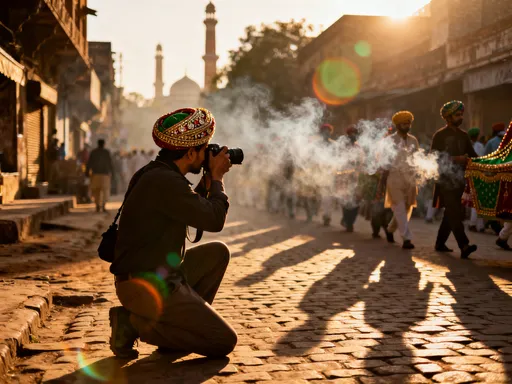
Photography is another area that requires care. While it’s natural to want to capture beautiful moments, always ask for permission before photographing people, especially during prayer or personal rituals. Some ceremonies are not meant for public viewing, and intrusion can be deeply offensive. Instead of focusing on the lens, try to be present—watch, listen, and absorb the moment with your full attention.
Supporting local communities is another way to travel thoughtfully. Buy food and crafts directly from vendors, not from large commercial stalls. Engage in conversations, learn a few words in Malay, Tamil, or Hokkien, and express gratitude. Avoid treating people or traditions as exotic curiosities. True cultural exchange happens when we approach others as equals, not as subjects for our stories.
Ultimately, being a respectful visitor means recognizing that you are not the center of the experience. The festival is not for you—it exists because of generations of devotion, effort, and love. Your role is to witness, to learn, and to leave with greater understanding. When you do, you don’t just take home souvenirs; you carry a piece of Penang’s spirit with you.
Festival culture in Penang isn’t a performance—it’s lived, breathed, and shared. When you visit, you’re not just watching history; you’re stepping into it. Choose to go beyond the surface, and you’ll leave not just with photos, but with stories that stay.