You Won’t Believe What I Ate in Novi Sad
Novi Sad isn’t just Serbia’s cultural gem—it’s a food lover’s secret paradise. I went searching for authentic flavors and found myself face-to-face with steaming ćevapi, smoky pljeskavica, and honey-soaked desserts that felt like love on a plate. From bustling market stalls to hidden family-run spots, the city’s food culture is rich, warm, and full of surprises. This is real, unfiltered taste—no tourist traps, just truth. Every bite told a story of generations, of land and labor, of slow Sunday meals and laughter around wooden tables. In a world of fast food and fleeting trends, Novi Sad offered something rare: food with soul.
First Bite: My Unexpected Arrival in Novi Sad
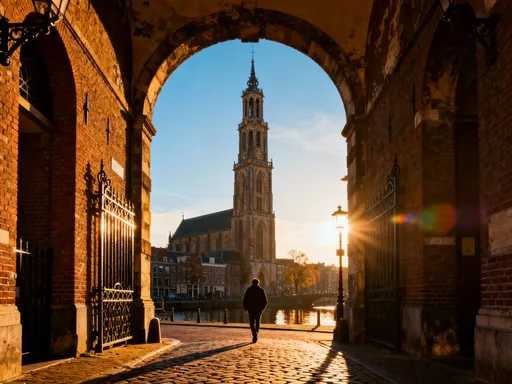
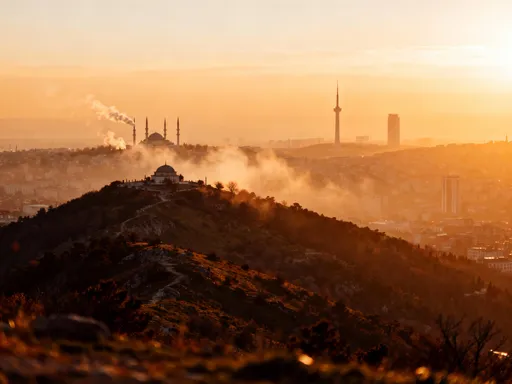
When I first stepped off the train into the soft light of a late afternoon in Novi Sad, the air carried a quiet hum—of bicycles on cobblestone, distant accordion music, and the gentle flow of the Danube just beyond the city center. The skyline, anchored by the fortress of Petrovaradin, stood like a sentinel over centuries of history. But it wasn’t the architecture or the river views that captured me first. It was the smell. Rich, charred, and deeply savory, it curled through the streets like an invitation. I had come to explore Serbia’s second city for its festivals and folklore, but within minutes, I realized my journey would be led not by museums or monuments, but by my appetite.
Novi Sad straddles the line between Central Europe and the Balkans, a blend of Austro-Hungarian elegance and southern warmth. Its cafes resemble those in Vienna, yet the pace of life leans toward the Mediterranean—slower, more intentional. People linger over meals, greet neighbors by name, and take pride in what they serve. I quickly learned that in this city, food is not a side note to culture; it is culture. The shift from sightseeing to flavor-chasing happened naturally, almost instinctively. Instead of checking off landmarks, I followed the scent of grilled meat, the golden glaze of pastries in bakery windows, and the chatter of locals gathered around market stands.
That first evening, I wandered into a small square where families shared tables under strings of lights. A vendor handed me a warm bundle wrapped in paper—pljeskavica, he said, with a smile. I took a bite and understood immediately: this was not just food, but an expression of place. Juicy, spiced, and crowned with onions and kajmak, it was messy, honest, and unforgettable. From that moment, my trip transformed. I wasn’t just visiting Novi Sad. I was tasting it, one bite at a time.
The Heartbeat of Flavor: Visiting Liman Market
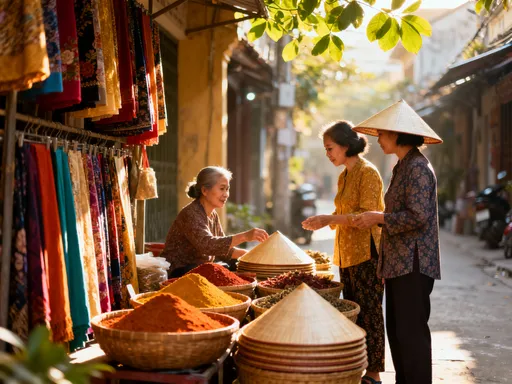
If Novi Sad has a culinary soul, it beats strongest in the Liman neighborhood, where the open-air market pulses with daily life. More than a place to shop, the Liman Market is a living archive of local food traditions. Arriving early in the morning, I was greeted by mounds of seasonal produce—deep red peppers, knobby potatoes, fragrant garlic, and tomatoes so ripe they seemed to burst with sunlight. Stalls overflowed with jars of homemade ajvar, wheels of yellow cheese wrapped in cloth, and strings of dried peppers hanging like ornaments.
What struck me most was not just the abundance, but the intimacy of it all. Vendors knew their customers by name, exchanged jokes, and offered tastes without hesitation. One woman, her hands dusted with flour, handed me a slice of fresh kajmak-laden bread. “Try,” she said. “This is how we start every day.” The cheese was rich, slightly tangy, and spreadable—nothing like the processed versions found in supermarkets. It was clear that here, food was not a commodity, but a connection.
I watched as an elderly man selected sausages from a butcher’s counter, asking about the seasoning blend—paprika, garlic, a touch of black pepper. The butcher, proud and precise, explained how his family had used the same recipe for decades. These were not just ingredients; they were heirlooms. The market wasn’t selling products—it was preserving a way of life. Seasonality ruled here. In summer, you’d find baskets of sour cherries and cucumbers; in autumn, pumpkins and walnuts; in winter, preserved jars and smoked meats. Every visit told the story of the land and the hands that worked it.
For a traveler, the Liman Market was a masterclass in authenticity. No glossy packaging, no imported exotics—just food grown, made, and shared locally. I left with a bag full of peppers, a jar of ajvar, and a deeper understanding: to know Novi Sad’s food, you must first know its people.
Street Food That Stole My Soul
In Novi Sad, street food is not fast food. It’s ritual, tradition, and daily pleasure rolled into one. The city’s most beloved bites—ćevapi, pljeskavica, and lepinja—are simple in form but profound in flavor. These are not dishes invented for tourists; they are staples of everyday life, served in modest kiosks and family-run stands tucked between apartment buildings and tram stops.
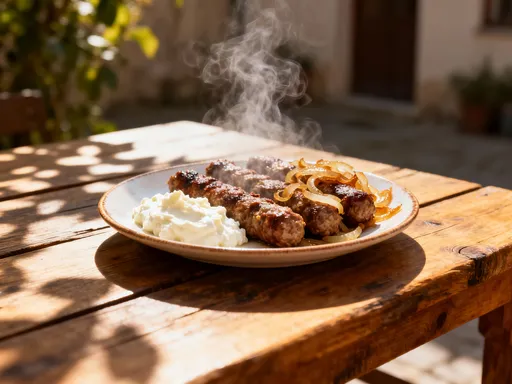
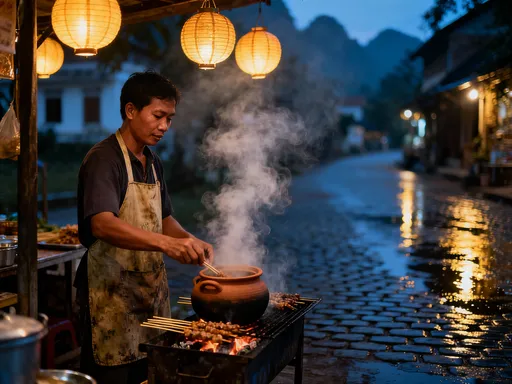
Ćevapi, the iconic minced meat sausages, are a national treasure. Typically made from a blend of beef and lamb, they are grilled over open flames until charred at the edges and tender within. Served in a warm, flat lepinja bread and topped with raw onions and a dollop of kajmak, they are messy, juicy, and deeply satisfying. The beauty lies in their simplicity. No elaborate sauces, no gourmet twists—just quality meat, fire, and bread. I found the best versions at unmarked stands where locals queued, where the air was thick with smoke and the sound of sizzling meat.
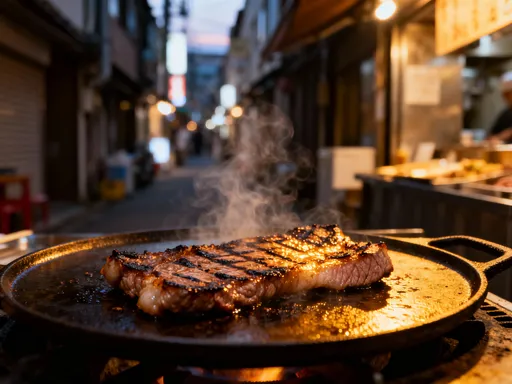
Pljeskavica, often called the Balkan burger, is its bolder cousin. A spiced meat patty, sometimes stuffed with cheese or kajmak, grilled and served in lepinja or on a plate with fries and salad. The best ones I tried were slightly charred, with a smoky depth that spoke of careful grilling. One vendor, working a small outdoor grill, told me the secret was in the fat—just enough to keep it juicy, never greasy. He served it with a smile and a warning: “Eat it fast, while it’s hot. That’s how it’s meant to be.”
The ritual of eating these dishes is as important as the food itself. Locals don’t rush. They stand at counters, napkin in hand, peeling back the paper to reveal the steaming contents. They eat with their hands, savoring each bite. The combination of textures—the soft bread, the crisp onions, the creamy kajmak—creates a harmony that’s hard to forget. And while these dishes are meat-centric, their appeal is universal. They represent a culture that values flavor over fuss, tradition over trend. To eat street food in Novi Sad is not just to fill your stomach, but to join a centuries-old conversation about what it means to eat well.
Beyond Meat: Discovering Vegetarian Gems
While Serbian cuisine is often associated with grilled meats, Novi Sad revealed a quieter, plant-based side that was equally compelling. In homes, family-run eateries, and even market stalls, I discovered dishes rooted in seasonal farming and centuries of tradition. These were not modern vegan inventions, but time-honored recipes born from necessity, faith, and respect for the land.
One of the most memorable was prebranac, a slow-baked bean dish that is a staple during Orthodox fasting periods. Made with white beans, onions, paprika, and sometimes a touch of tomato, it simmers for hours until creamy and deeply flavored. I first tried it at a small gostionica, where the owner explained that her grandmother made it every Sunday. “It’s comfort food,” she said. “Simple, but it feeds the soul.” Served with a slice of sourdough and a spoonful of pickled vegetables, it was hearty, earthy, and profoundly satisfying.
Another revelation was pinđur, a roasted pepper and eggplant spread similar to ajvar but heartier, almost stew-like. Unlike the smoother versions found in jars, this was chunky, smoky, and rich with garlic and oil. Spread on warm bread or served alongside boiled potatoes, it was a celebration of summer’s harvest. I also encountered stuffed peppers—filled with rice, herbs, and sometimes mushrooms—slow-cooked until tender. These dishes, often prepared in large batches, reflected a culture of preservation and patience.
What struck me was how naturally vegetarian food fit into daily life. It wasn’t labeled or marketed as “healthy” or “alternative.” It simply existed—seasonal, delicious, and deeply rooted. Even in meat-heavy restaurants, there were always a few plant-based options, not as afterthoughts, but as honored parts of the menu. For travelers seeking balance, Novi Sad offered a reminder that flavor doesn’t require meat. Sometimes, the most memorable meals are the quiet ones—slow-cooked, humble, and made with care.
Coffee Culture and Pastry Breaks: Slowing Down the Serbian Way
In Novi Sad, coffee is not a caffeine fix—it’s a rhythm of life. I noticed it immediately: people sitting for hours in riverside cafes, cups in hand, conversation flowing. Whether Turkish coffee served in small copper džezvas or espresso from a modern machine, the act of drinking coffee is a social ritual, a pause in the day meant for connection.
One afternoon, I settled at a café along the Danube, where the breeze carried the scent of water and blooming linden trees. A waiter brought my Turkish coffee—thick, dark, and crowned with foam—along with a glass of water and a small piece of sugar-coated krofna. As I waited for the grounds to settle, I watched the world move slowly around me. A couple shared a pot of coffee and a plate of baklava. An older man read a newspaper, sipping from a tiny cup. No one rushed. No laptops, no headphones. Just presence.
Turkish coffee here is more than a drink; it’s a tradition. Brewed slowly, served strong, and often accompanied by a sweet pastry, it’s a moment of indulgence and reflection. The ritual includes reading the coffee grounds at the end—a playful fortune-telling game that brings laughter and curiosity. I tried it once, though the shapes in my cup remained stubbornly abstract. Still, the act of sharing it—with friends, with strangers, with oneself—felt meaningful.
Pastry breaks are equally important. Bakeries display rows of golden krofne, flaky pita filled with cheese or spinach, and layers of honey-drenched baklava. I developed a habit of stopping mid-afternoon for a krofna and a coffee, watching the light shift over the river. It wasn’t about hunger. It was about slowing down, about savoring the day. In a world that glorifies busyness, Novi Sad’s coffee culture offered a quiet rebellion: the belief that time spent together, over simple pleasures, is never wasted.
Dining Like a Local: The Art of the Long Meal
One of the most profound lessons I learned in Novi Sad was this: a meal is not a task to complete, but an event to experience. This truth became clear during a dinner I shared at a traditional gostionica, a family-run restaurant tucked behind a quiet courtyard. What began as a simple plan for dinner stretched into four hours of food, wine, and conversation.
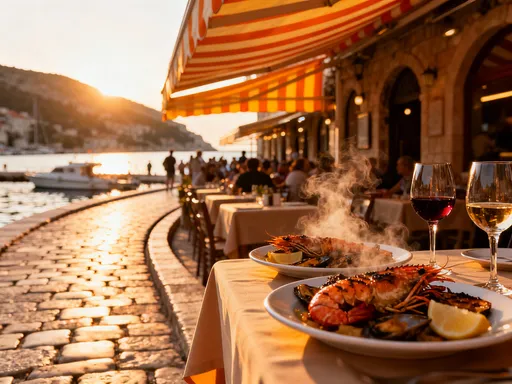
The evening unfolded like a symphony. It started with a spread of cold appetizers—kajmak, ajvar, pickled vegetables, and fresh bread. Then came grilled meats, followed by slow-cooked stews, a plate of roasted vegetables, and finally, a dessert of pumpkin pancakes drizzled with honey. Wine flowed freely—local reds from the Fruška Gora hills, crisp and earthy. Each course arrived not because we ordered it, but because the host wanted us to taste everything.
What made the meal extraordinary was not just the food, but the hospitality. The owner joined us at the table, telling stories of the region, of harvests and holidays, of family recipes passed down through generations. There was no rush, no pressure to make room for the next guests. We were not customers; we were guests. This sense of warmth and generosity is deeply embedded in Serbian culture. To be invited to a table is to be welcomed into a moment of trust and joy.
Such meals are not rare in Novi Sad. They are the norm. Whether at a restaurant, a home, or a festival tent, eating is an act of connection. Courses linger, wine is shared, laughter builds. It’s a reminder that food is not just fuel, but a bridge between people. In a culture that values presence, the long meal is not indulgence—it is respect. For the cook, for the company, for the moment itself.
Bringing It Home: How Novi Sad Changed My View of Food
Leaving Novi Sad, I carried more than souvenirs. I carried a shift in perspective. The city had reawakened my appreciation for slow food, for meals that take time, for ingredients that tell stories. In a world of instant gratification and globalized flavors, Novi Sad reminded me that the most powerful food experiences are often the simplest—the smell of bread baking, the taste of a pepper roasted over flame, the sound of laughter around a shared table.
I returned home with new habits. I shop more at local markets, seeking out seasonal produce. I cook with less haste, allowing stews to simmer and beans to soften. I invite friends to stay longer, to eat without phones, to talk without rushing. I’ve learned to savor not just the taste, but the act of eating itself. Novi Sad taught me that food is not just about nourishment—it’s about memory, identity, and belonging.
And while I may never replicate the exact flavor of ćevapi grilled over open fire or the sweetness of a krofna fresh from the oven, I carry the spirit of those meals with me. They remind me to seek out authenticity, to ask questions, to listen to the stories behind the food. They remind me that every culture has a table worth sitting at, a flavor worth discovering.
To travelers, I offer this: don’t just see a place. Taste it. Sit in its cafes, wander its markets, accept its hospitality. Let food be your guide. In Novi Sad, I didn’t just eat—I connected. And in that connection, I found something rare and lasting: a deeper understanding of what it means to truly nourish both body and soul. In a fast-moving world, that may be the most valuable meal of all.